
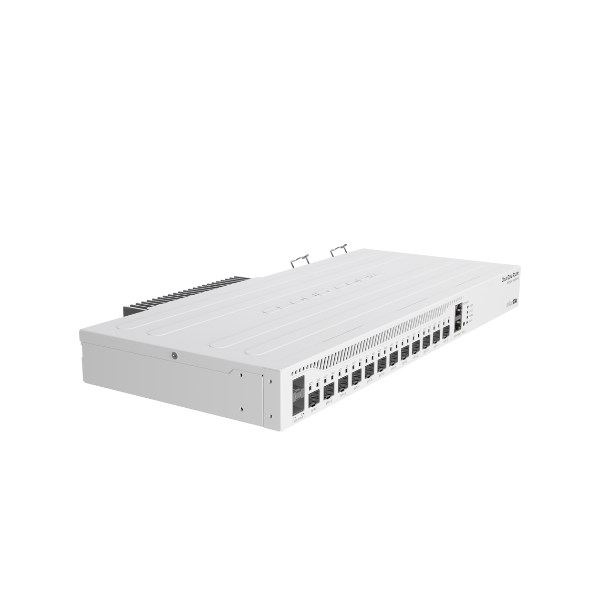
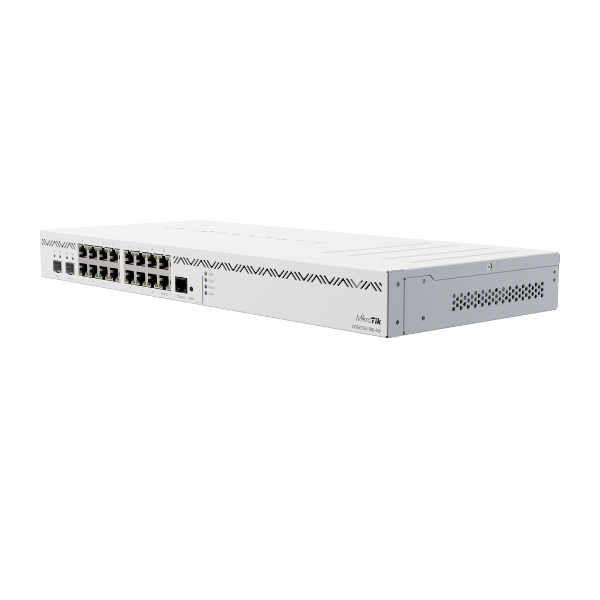
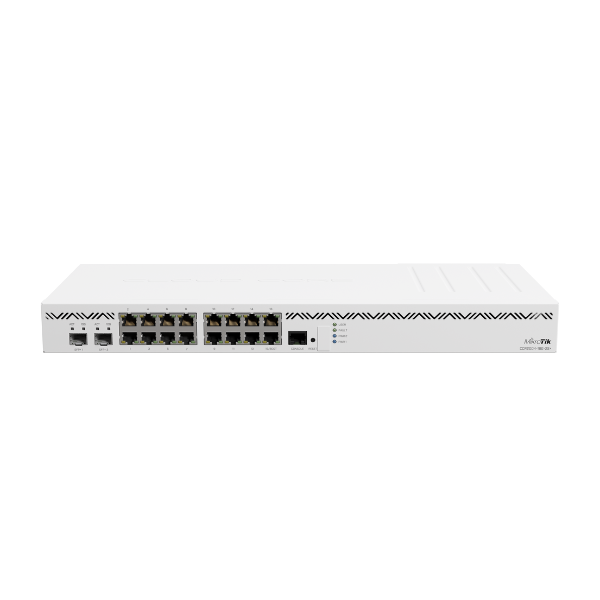
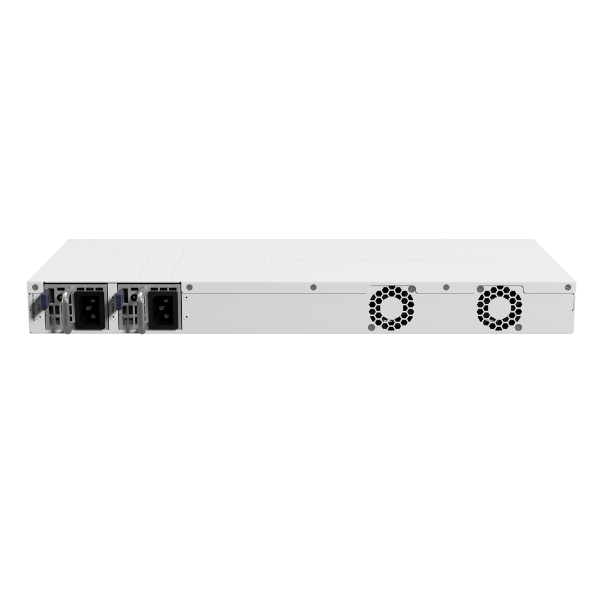
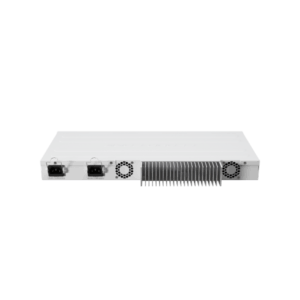
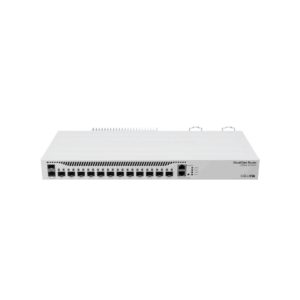
MikroTik CCR2004-16G-2S+
- CPU Tilera TILE-Gx-16 (Tilera Gx8032) – 16 Cores at 1.2 GHz
- RAM 2 GB DDR3
- Storage 512 MB NAND (for RouterOS) + Dual M.2 SATA Slots (for expansion)
- Ethernet Ports 16 x 10/100/1000 Mbps Gigabit Ethernet ports, SFP+ Ports 2 x 10 Gbps SFP+ cages
- Power Supply Internal 60W AC power supply (100-240V)
- Power Consumption ~25W (idle) to ~35W (max load)
- Cooling Active (Fan) – known to be relatively quiet for its class
- Dimensions 1U rackmount (443 x 210 x 44 mm)
Original price was: KSh 64,000.00.KSh 63,000.00Current price is: KSh 63,000.00.
Description
This powerful and affordable router crushes all previous CCR models in single-core performance. 16x Gigabit Ethernet ports, 2x10G SFP+ cages, active cooling and the best single-core performance per watt & best overall performance per watt among all the CCR devices.
Key Features & Highlights
-
The 16-Core Tilera CPU: This is the heart of the device. Unlike traditional x86 CPUs or simpler MIPS-based SoCs, the Tilera architecture features a “mesh” of 16 independent cores. This allows it to handle massive numbers of simultaneous connections and parallel tasks extremely efficiently. Performance is measured in multiple millions of packets per second (Mpps).
-
Excellent Port Configuration:
-
The 16 Gigabit Ethernet ports are perfect for aggregating multiple client connections, servers, or network segments.
-
The dual 10 Gbps SFP+ ports are crucial for high-speed uplinks. You can use one as a WAN and one as a LAN trunk, connect to a core switch, or even bundle them for a 20 Gbps link (using LACP).
-
-
Dual M.2 Slots for Storage: This is a standout feature. You can install two M.2 SATA SSDs (e.g., 2242 or 2280 size) to use for:
-
Caching Proxy (store cached web data)
-
User Manager database (for HotSpot/PPP logins)
-
Logging (store extensive logs without wearing out the internal NAND)
-
Dude Server (store the Dude database)
-
General file storage (e.g., for scripts, backups)
-
-
RouterOS License Level 5: It comes with the highest license level, unlocking all features without any additional cost, including advanced routing protocols (BGP, OSPF, MPLS), tunneling, the Queues for bandwidth management, the HotSpot gateway, and more.
Performance Benchmarks (Approximate)
-
Routing: ~10 Gbps with simple fast-path routing (no complex rules).
-
Firewall: ~4-6 Gbps with a moderate set of filtering rules.
-
IPsec VPN: Highly dependent on cipher but can achieve multiple Gbps due to the high core count.
-
Packet Forwarding Rate: ~20 Million PPS – This is its most impressive metric, meaning it can handle a massive amount of small packets (e.g., VoIP traffic, DNS requests, gaming packets) without breaking a sweat.
Ideal Use Cases
This router is overkill for a home user (unless you’re a very advanced enthusiast with multi-gigabit internet). It’s designed for:
-
Small to Medium ISP / WISP: As a core router for a few hundred to a few thousand subscribers. It can easily handle BGP sessions, route large tables, and manage traffic at the edge of your network.
-
Business Gateway / Enterprise Edge: For an office with hundreds of users and a multi-gigabit internet connection (e.g., 2 Gbps+). It can handle heavy firewall filtering, multiple VLANs, VPN tunnels (site-to-site), and complex queue trees for traffic shaping.
-
Hosting / Data Center: As a top-of-rack router or a virtualization host router where high throughput and many connections are required.
-
Advanced Lab / Testing Environment: For testing complex network scenarios, BGP, MPLS, or running network applications that benefit from the M.2 storage and high CPU core count.
Pros and Cons
| Pros | Cons |
|---|---|
| Exceptional price/performance ratio. | CPU architecture is unique (Tilera), not x86. Some very specific tasks (e.g., certain containers) might not be optimized for it. |
| Massive packet processing power (Mpps). | Not all features are multi-core optimized in RouterOS. Some tasks are single-threaded and will only use one core. |
| Great port mix (16x1G + 2x10G). | Active cooling (fan) – though it’s not overly loud, it’s not silent like a fanless unit. |
| Dual M.2 slots for storage expansion. | The learning curve of MikroTik’s RouterOS can be steep for beginners. |
| Full RouterOS feature set unlocked. |
Related products
-
Buy via WhatsApp
-
-1%
Add to cart
- Edge Router
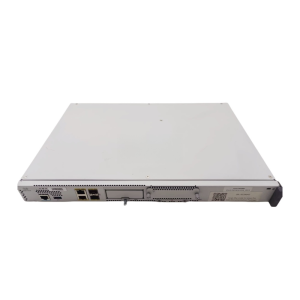
Cisco C8200L-1N-4T Router
- Original price was: KSh 125,000.00.KSh 124,000.00Current price is: KSh 124,000.00.
-
-
-
-
-
-1%
-
Buy via WhatsApp
-
-1%
Add to cart
- Edge Router
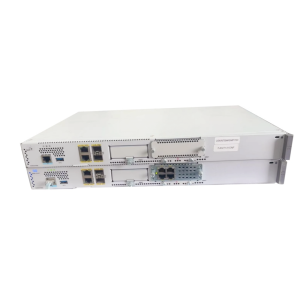
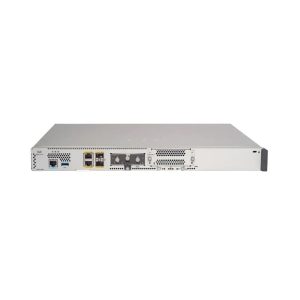
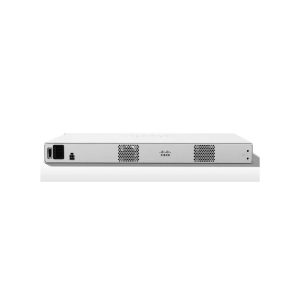
Cisco C8200-1N-4T Catalyst 8200 Series Edge Router
- Original price was: KSh 230,000.00.KSh 228,000.00Current price is: KSh 228,000.00.
-
-
-
-
-
-1%
-
Buy via WhatsApp
-
-2%
Add to cart
- Edge Router
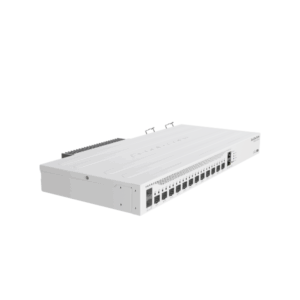
MikroTik CCR2004-1G-12S+2XS
- Original price was: KSh 80,190.00.KSh 78,500.00Current price is: KSh 78,500.00.
-
-
-
-
-2%
Reviews
There are no reviews yet.