
-2%
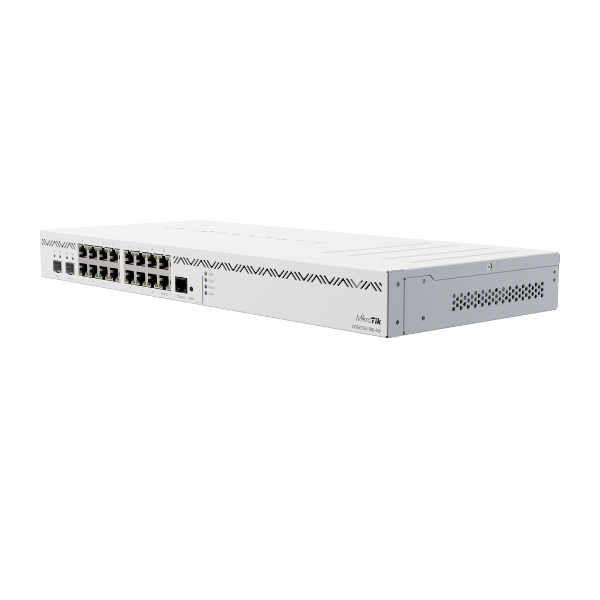
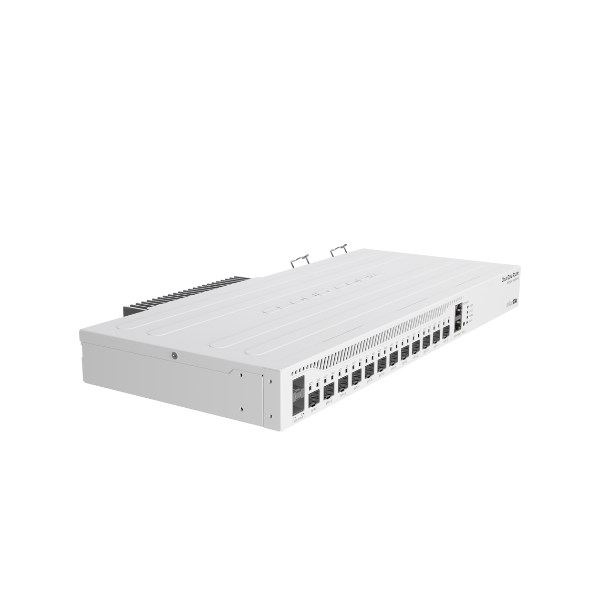
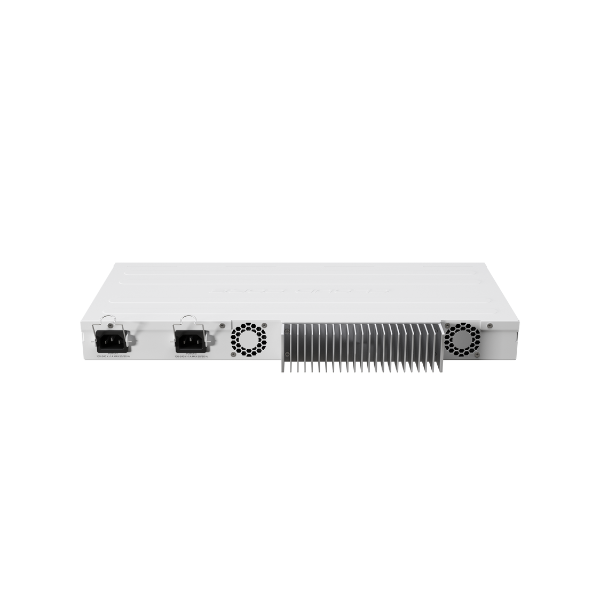
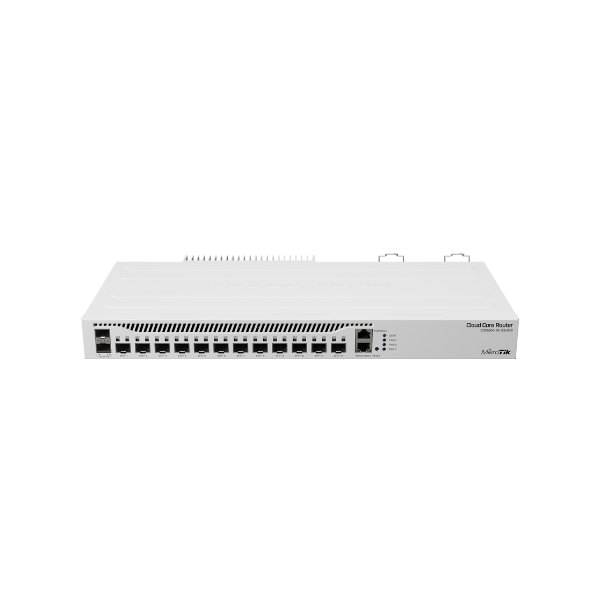
MikroTik CCR2004-1G-12S+2XS
- CPU Tilera TILE-Gx-16 (Tilera Gx8032) – 16 Cores at 1.2 GHz
- RAM 2 GB DDR3
- Storage 512 MB NAND + Dual M.2 SATA Slots
- Ethernet Ports 1 x 10/100/1000 Mbps Gigabit Ethernet (RJ45)
- SFP Ports 12 x 1 Gbps SFP cages
- SFP+ Ports 2 x 10 Gbps SFP+ cages
- Power Supply Internal 60W AC power supply
Original price was: KSh 80,190.00.KSh 78,500.00Current price is: KSh 78,500.00.
Description
The MikroTik CCR2004-1G-12S+2XS is a powerhouse of routing performance and port density in a compact, energy-efficient, and cost-effective package. It is an exceptional value for anyone who needs to move massive amounts of data between multiple 10G or 40G links.
Key Features & Highlights
- Massive Port Density & Speed: This is its main selling point. It offers 12 native 10G ports plus 2 QSFP+ ports that can provide an additional 80Gbps of capacity (either as two 40G ports or eight 10G ports). This gives you tremendous flexibility for high-speed links.
- Level 6 License: The highest-tier license is included. This means you have access to every feature in RouterOS (like MPLS, VPLS, advanced QoS, etc.) with no throughput limits.
- Excellent Performance per Watt: The Tilera CPU is extremely efficient for routing tasks. It can handle millions of packets per second and multi-gigabit firewall filtering with very low power consumption.
- Compact 1U Form Factor: Fits perfectly in a standard rack, making it ideal for data centers and network cabinets.
- SSD Slot: The M.2 slot allows you to add an SSD for logging, caching, or even using the device as a small file server (e.g., for a hotspot login page).
Performance Expectations
- Routing: Can easily handle 10G+ line-speed routing on all ports with simple rules.
- Firewalling: With a moderate number of firewall rules, it can achieve multi-gigabit speeds (e.g., 4-7 Gbps). With very large, complex rule sets, performance will decrease, as is the case with all stateful firewalls.
- IPsec VPN: Performance is good but not its strongest suit. Expect speeds in the range of ~2 Gbps due to the encryption overhead on the ARM cores.
- FastPath: For pure routing scenarios (BGP, OSPF), enabling FastPath allows it to push packets at near-wire speed on all ports with minimal CPU load.
Ideal Use Cases
- Internet Gateway / BGP Edge Router: For a small to medium ISP, data center, or business with a multi-gigabit internet connection. Its multiple 10G/40G ports are perfect for connecting to multiple upstream providers.
- Core Network Router: Acting as the core of a network, connecting multiple distribution switches (10G/40G capable) together.
- Data Center Leaf Router: In a small data center or cloud environment.
- High-Capacity VPN Concentrator: For terminating site-to-site IPsec tunnels, though performance per tunnel should be considered.
- Router for a High-Speed Lab/Home Network: For enthusiasts with 10G networking who need powerful routing and VLAN capabilities. (The fan noise might be a consideration here).
Important Considerations / Weaknesses
- Fan Noise: It has an active cooling fan. While not “server loud,” it is significantly louder than a fanless desktop router and is not suitable for a silent office or living space. It is designed for a dedicated comms room or rack.
- ARM Architecture vs. x86: The Tilera CPU excels at packet forwarding but can be slower than an x86 CPU at certain single-threaded tasks, complex scripting, or some container-related workloads. For pure routing, it’s a non-issue.
- Stateful Firewall Performance: Don’t expect it to run a massive, complex stateful firewall ruleset at full 10G line rate. Plan your firewall strategy carefully; often, it’s better to have a dedicated firewall and use the CCR for what it does best: routing.
- Only One 1G port: The single gigabit Ethernet port is intended for out-of-band management. You cannot use it as a default WAN port for a gigabit connection without buying a SFP+ to RJ45 module for one of the 10G ports.
Related products
-
-1%Add to cart
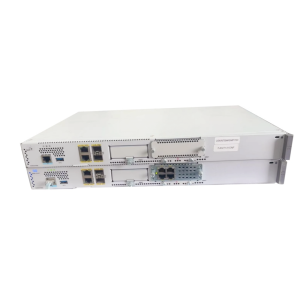
- Edge Router
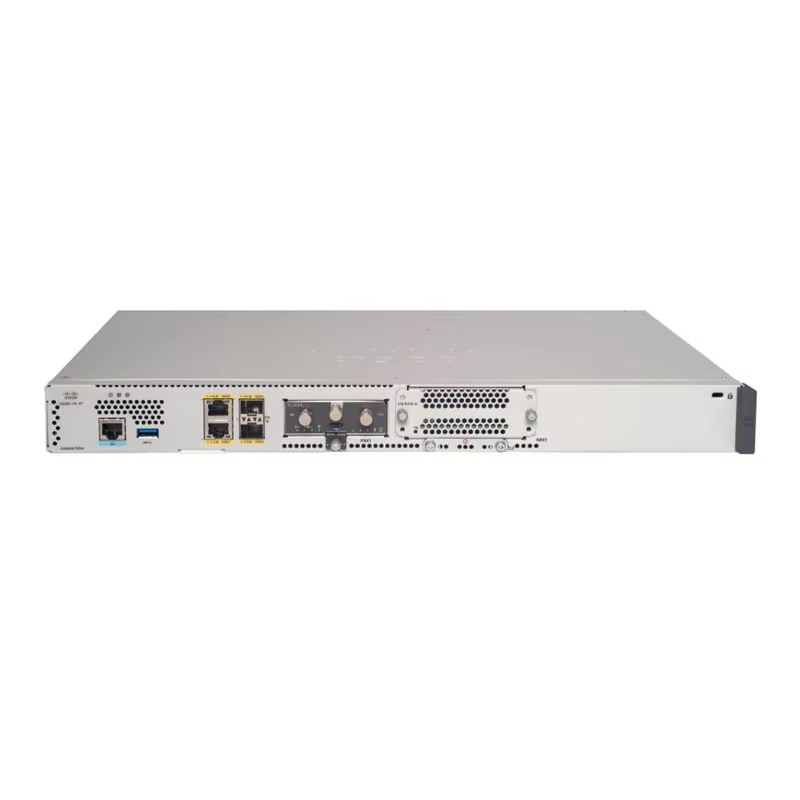
Cisco C8200-1N-4T Catalyst 8200 Series Edge Router
- Original price was: KSh 230,000.00.KSh 228,000.00Current price is: KSh 228,000.00.
-
-
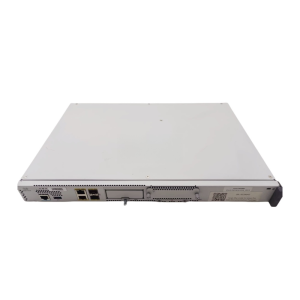
-
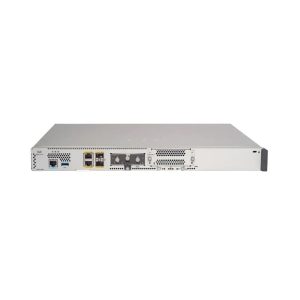
-
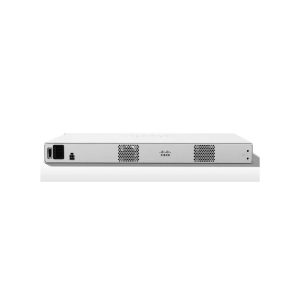
-
-1%
-
-2%Add to cart
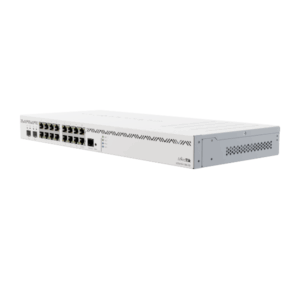
- Edge Router, Router
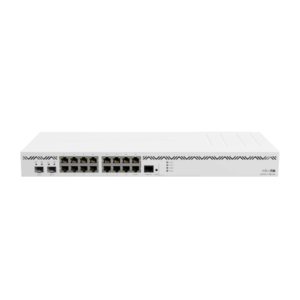
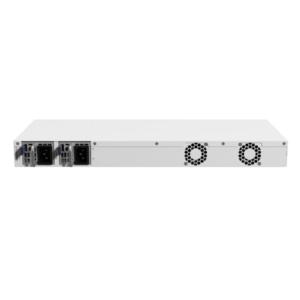
MikroTik CCR2004-16G-2S+
- Original price was: KSh 64,000.00.KSh 63,000.00Current price is: KSh 63,000.00.
-
-
-
-
-2%
-
-1%Add to cart
- Edge Router
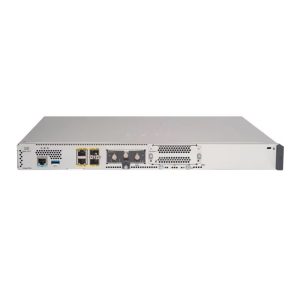
Cisco C8200L-1N-4T Router
- Original price was: KSh 125,000.00.KSh 124,000.00Current price is: KSh 124,000.00.
-
-
-
-
-
-1%
Reviews
There are no reviews yet.